
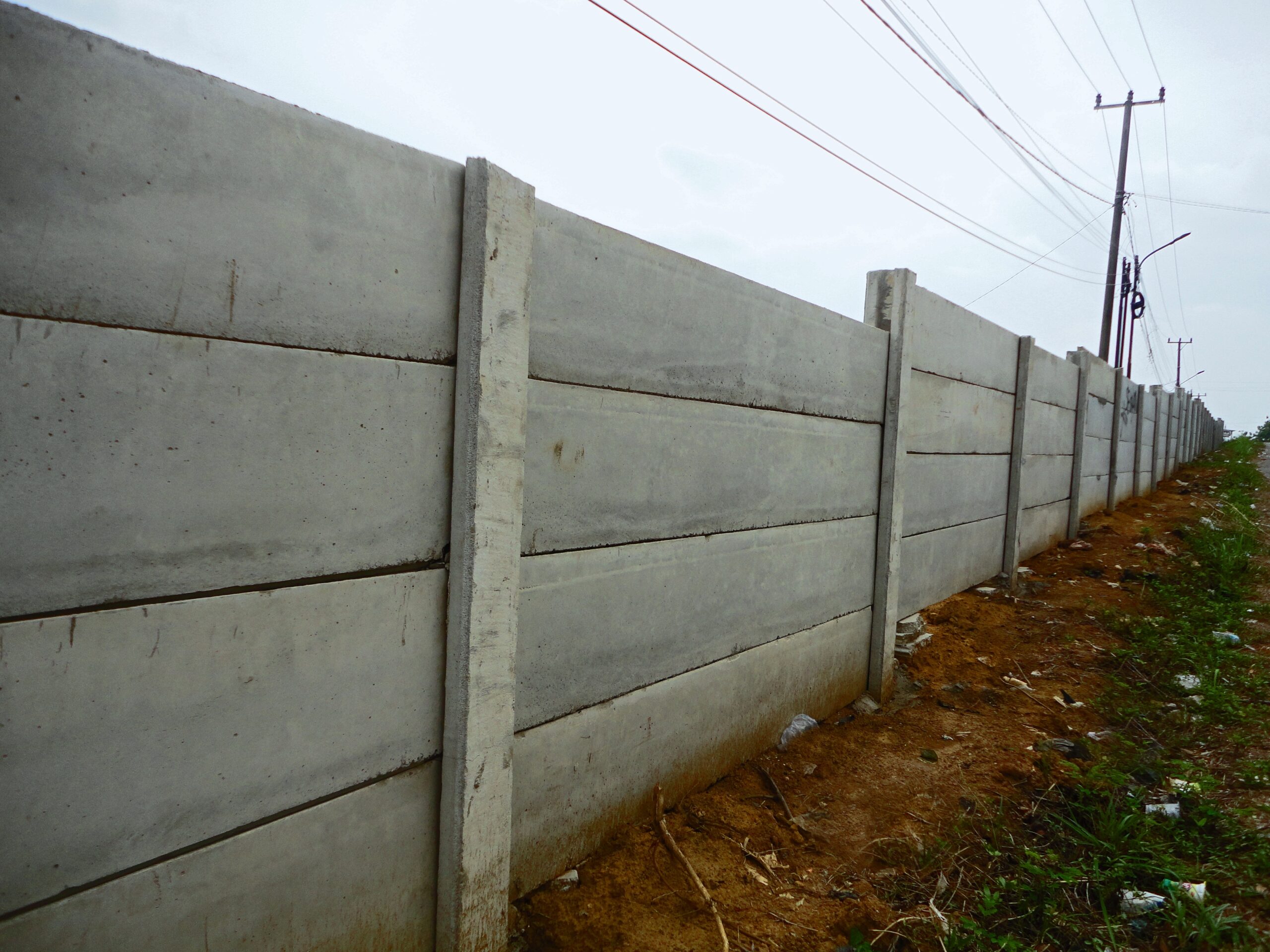
Fencing technology and installation standards have improved in recent years, but the pressures of extreme weather cycles have also increased. Heat waves, heavy storms, shifting soil, and moisture fluctuations can all shorten the lifespan of wood, vinyl, and metal structures. Knowing what to look for helps you make smarter decisions that protect your yard and save money over time. In this guide, we will break down the key indicators that can help you determine whether your fence needs repairs or replacement, what different types of damage mean, and how to evaluate long-term costs versus short-term fixes.
Understand How Age Affects Your Fence
Age is one of the biggest factors in determining whether repairs will be enough. Most wood fences last between 12 and 20 years, depending on the climate and maintenance routine. Vinyl fences often last 25 to 30 years, while aluminum and steel systems can last even longer with proper care. Once a fence reaches the end of its expected lifespan, materials naturally begin to break down, lose structural integrity, and require more frequent attention.
If your wood boards feel soft, appear discoloured, or crumble when touched, they have likely decayed past the point of reliable repair. Vinyl fencing may show brittleness, warping, or cracks caused by long-term UV exposure. Metal fences may corrode, especially at the base of posts where moisture gathers. When large portions of your fence show multiple types of age-related deterioration, it is often a sign that your fence is approaching the stage where the fence needs repairs or replacement decisions must be made.
Evaluate Leaning, Shifting, and Unstable Posts
Fence posts serve as the core structural support for your entire system. When posts lean or shift, the connected panels lose stability and are far more susceptible to future breakage. In many cases, one or two leaning posts can be repaired by resetting the footing or replacing the damaged components. However, widespread post instability is a serious warning sign.
Soil erosion, frost heave, and long-term water exposure often cause posts to become loose. You may notice that the fence sways when pushed or that the line of the fence appears uneven. If more than 30 percent of the posts lean or wobble, repairs may only offer short-term solutions. In these situations, property owners need to consider if signs that your fence needs repair point toward a more extensive underlying issue, such as rotted post bases or a failing installation foundation.
Identify Rot, Mould, and Moisture Damage
Moisture is one of the most common causes of fence deterioration. Wood fences are especially vulnerable, although vinyl and metal can also be affected under the right conditions. Rot is a clear sign that the structural fibres of wood have broken down. Early-stage rot often appears as darkened areas or soft spots, while advanced rot can cause boards to warp or separate entirely.
Mould and mildew might look like surface problems, but they often indicate long-term moisture exposure. Vinyl fences can develop algae that makes them look dirty or discoloured. Metal fences may rust along seams, hinges, or decorative joints. While small sections of rot or corrosion can be repaired, widespread moisture damage is a strong indicator that the fence is too compromised to safely rely on.
When you notice recurring moisture issues, you are likely facing more than simple cosmetic concerns. These situations often represent clear signs that your fence needs repair and may indicate that the underlying structure has been compromised.
Assess Storm Damage and Weather Impact
Harsh weather plays a major role in the condition of residential fencing. High winds can loosen posts, break boards, and shift entire sections of fencing. Heavy rain increases the risk of rot and erosion, while snow and ice lead to warping or cracking. In 2026, climate-related weather patterns continue to grow more unpredictable, increasing the frequency of significant fencing damage.
After strong storms, homeowners should walk the length of their fence and look for fallen panels, missing boards, leaning sections, or cracked vinyl rails. Sometimes, localized damage can be fixed quickly. For example, a single wind-damaged panel in an otherwise solid vinyl fence is generally easy to replace. However, repeated storm damage suggests that the fence as a whole may no longer be structurally sound. At that point, you may need to decide if your fence needs repairs or replacement based on long-term resilience rather than just immediate appearance.
Take Note of Recurring Maintenance Problems
Every fence requires some maintenance. Wood needs sealing, vinyl needs cleaning, and metal needs rust protection. However, when maintenance becomes constant rather than occasional, it may be a signal that your fence is nearing the end of its serviceable lifespan.
Examples of recurring problems include:
- Boards that repeatedly come loose
- Hardware that rusts again shortly after being replaced
- Panels that sag even after reinforcement
- Gates that continually fall out of alignment
- Fasteners that strip or detach due to weakened materials
If repairs fail to hold for long, the cost of ongoing maintenance can quickly surpass the price of a fresh installation. At this stage, many homeowners find that investing in a new structure provides better long-term value than patching a failing system.
Inspect for Missing or Damaged Hardware
Hardware is a small but essential part of fence stability. Screws, nails, brackets, and hinges all ensure that panels remain firmly attached to posts. When hardware begins to detach or rust, it can create safety hazards. A gate that no longer closes securely or a panel that rattles in the wind can deteriorate quickly and cause further damage.
If multiple sections of the fence show hardware issues, it may mean that the underlying wood or material no longer holds fasteners well. In many cases, this is caused by age-related softening, corrosion, or warping. Replacing hardware repeatedly becomes expensive and unreliable. At that point, the fence as a whole may have reached the stage where the fence needs repairs or replacement decisions need to be addressed based on a full system evaluation rather than small fixes.
Compare the Cost of Repair Versus Full Replacement
One of the most important steps in determining whether to repair or replace is calculating costs. Minor repairs, such as replacing a board or reattaching a rail, are inexpensive. However, costs rise quickly when repairs involve resetting posts, fixing widespread rot, reinforcing large sections, or patching multiple vinyl panels.
If repairs exceed 30 to 40 percent of the cost of a full installation, most contractors recommend choosing replacement. A new fence will last significantly longer, require far less maintenance, and improve both appearance and property value.
Additionally, newer materials such as composite fencing or modern vinyl designs offer greater durability than older products. Replacement may allow you to upgrade to stronger systems that better withstand weather and require less upkeep. Understanding when to replace a damaged fence is essential for making financially responsible decisions.
Consider Safety and Liability
A weakened fence is more than just an eyesore. It can create serious safety risks. Pets may escape through broken sections. Children could be injured by sharp splinters or unstable panels. For properties with pools, a failing fence may even violate local safety codes.
In rental properties or commercial settings, maintaining a safe barrier is essential for liability protection. If a damaged fence causes an injury or allows unauthorized access, the property owner may be held responsible. When evaluating whether repair is enough, always prioritize safety. If any part of the fence poses a risk, immediate action is needed.
Think About Aesthetic and Property Value
Your fence is one of the first features people notice when approaching your home. A warped, leaning, or patched together fence can reduce curb appeal and affect property value. While appearance alone does not always justify replacement, it is an important factor when preparing to sell a home, upgrade landscaping, or modernize an older property.
Homeowners who plan to stay long term often find that replacement provides not only structural benefits but also visual improvement. Newer fencing styles offer better colour stability, cleaner lines, and more modern designs than older systems. If the fence no longer matches the overall look of your home, upgrading may be the best way to improve both function and appearance.
Making the Right Decision for Your Fence in 2026
Determining whether to repair or replace a fence requires careful inspection, cost comparison, and attention to long-term maintenance. By looking for key issues such as aging materials, leaning posts, moisture damage, storm-related problems, or recurring repairs, you can make informed decisions that protect your property and keep maintenance costs manageable.
A well-maintained fence enhances your privacy, defines your property, and boosts curb appeal. When it becomes clear that repairs will no longer provide stability or value, replacement becomes the smarter investment. With new materials and improved installation methods available in 2026, upgrading your fence can offer decades of reliable performance and renewed aesthetic appeal.
TC Fencing believes that premium fences shouldn’t come with a hefty price tag. Our high-quality fencing solutions are designed to be both affordable and durable, ensuring you get the best value for your investment. Get a Free Quote and learn more about our fencing solutions and services.