
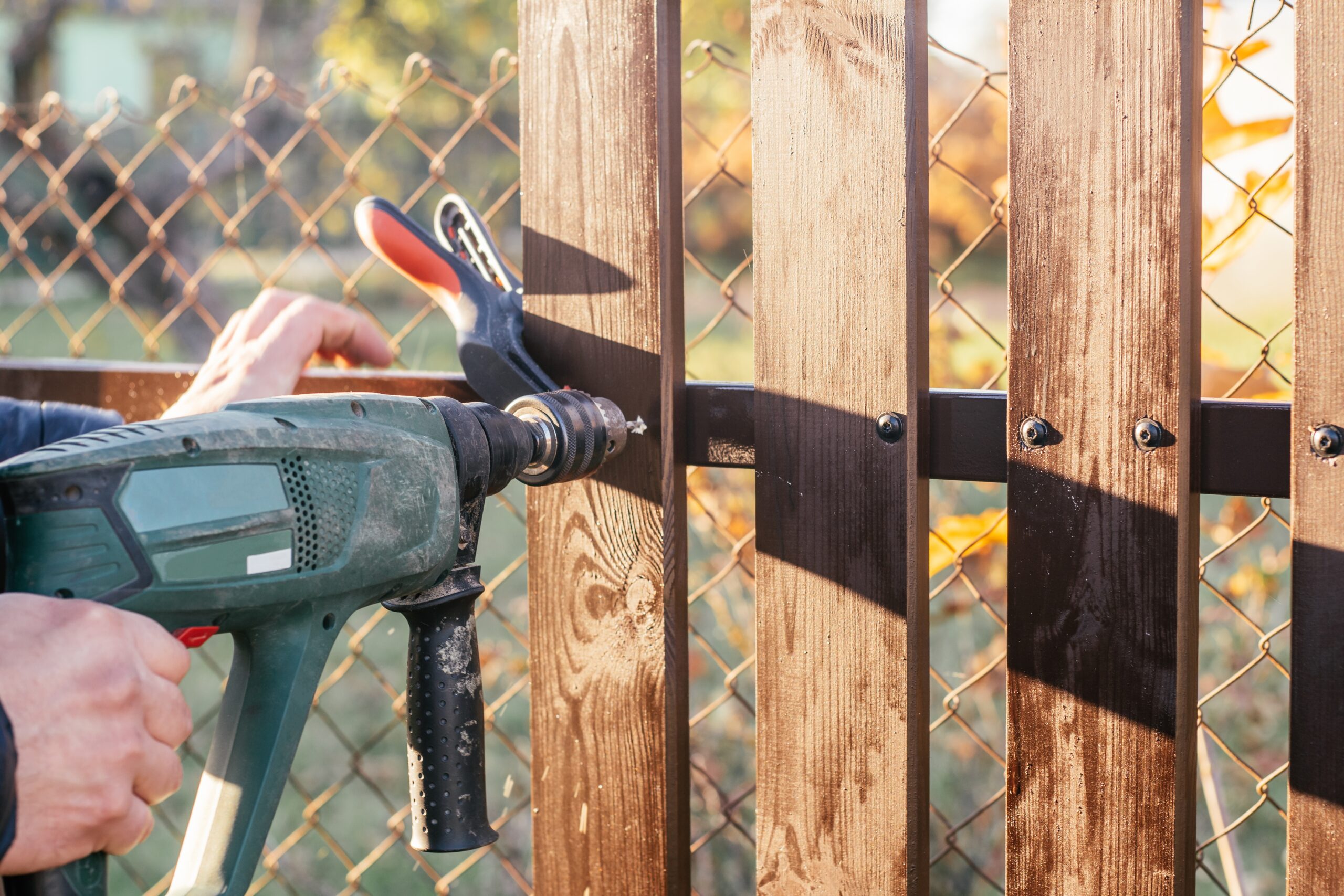
A fence does more than mark property boundaries. It provides security, privacy, and visual appeal for a home or business. However, fences are constantly exposed to the elements, which means they gradually wear down without proper care. Regular upkeep is the key to preventing damage and avoiding expensive replacements. With the right fence maintenance tips and routine, homeowners and property managers can keep their fencing strong, stable, and attractive for many years.
In this guide, you will learn practical ways to care for your fence, protect it from environmental damage, and address small problems before they become major repairs.
Inspect Your Fence Regularly
One of the most important fence maintenance tips is performing routine inspections. Many fence problems start small and go unnoticed until they become more serious.
A quick inspection every few months can help identify issues such as:
- Loose or leaning posts
- Rust spots on metal fences
- Cracks or splits in wooden boards
- Rot near the base of posts
- Loose screws or nails
Walk along the entire fence line and examine each section carefully. Pay special attention to areas that receive the most moisture or direct sunlight, since these spots tend to deteriorate faster.
If you discover minor issues early, they can often be repaired quickly with basic tools and inexpensive materials.
Clean Your Fence to Prevent Buildup
Dirt, algae, mildew, and mould can accumulate on fences over time. This buildup not only affects appearance but can also weaken materials if left untreated.
Cleaning your fence once or twice a year helps remove harmful substances that contribute to decay and corrosion.
For most fences, the cleaning process is simple:
- Remove loose debris with a brush or broom
- Rinse the fence with a garden hose
- Use a mild cleaning solution to scrub stained areas
- Rinse thoroughly to remove residue
Wood fences may benefit from gentle scrubbing with a soft brush, while vinyl and metal fences can usually handle stronger water pressure. Be careful not to damage paint or protective coatings during cleaning.
Consistent cleaning is one of the easiest fence maintenance tips that keeps fencing both durable and visually appealing.
Protect Your Fence from Moisture Damage
Moisture is one of the biggest threats to fence longevity. Wood fences are especially vulnerable because water can seep into the material and cause swelling, warping, or rot.
To reduce moisture damage:
- Keep soil and mulch away from the base of the fence
- Trim nearby plants that trap moisture against the boards
- Ensure proper drainage around fence posts
- Remove standing water after heavy rain
If wooden posts are constantly exposed to wet soil, they may eventually rot at ground level. Installing gravel at the base of posts can improve drainage and reduce water retention.
These simple precautions can significantly extend the life of your fence.
Apply Protective Sealants or Coatings
Protective coatings create a barrier between the fence material and harsh environmental conditions. This step is especially important for wood fences, but it can also benefit certain metal fences.
Sealants, stains, and paint help prevent moisture penetration, reduce sun damage, and slow down natural aging.
When applying a protective finish:
- Clean the fence thoroughly first
- Allow the surface to dry completely
- Apply the coating evenly with a brush, roller, or sprayer
- Follow the manufacturer’s instructions for drying time
Many experts recommend resealing or repainting wood fences every two to three years, depending on climate conditions.
Understanding how to maintain a fence often begins with proper protection against weather exposure.
Address Minor Repairs Quickly
Small issues rarely stay small for long. A loose board or rusted fastener can lead to larger structural problems if ignored.
Regularly check for signs of wear and repair them as soon as possible. Common quick fixes include:
- Replacing broken boards
- Tightening loose screws or nails
- Straightening leaning posts
- Removing rust and repainting metal sections
Prompt repairs help maintain the fence’s strength and prevent further deterioration.
This proactive approach is one of the most valuable fence maintenance tips because it saves time and money in the long run.
Trim Vegetation Around the Fence
Plants and landscaping features can affect fence durability more than many people realize. Overgrown bushes, vines, and tree branches can trap moisture, scratch surfaces, or apply pressure to fence panels.
To prevent damage:
- Trim branches that touch or hang over the fence
- Remove climbing vines regularly
- Keep grass and weeds from growing along the fence line
- Maintain space between landscaping and fence boards
Improving airflow around the fence allows materials to dry faster after rain or humidity, which helps prevent rot and mould growth.
Maintaining clear space around the fence also makes inspections and repairs easier.
Reinforce Fence Posts When Needed
Fence posts provide the structural support that keeps the entire fence standing. If posts become loose or unstable, the rest of the fence may begin to lean or collapse.
Signs of weak fence posts include:
- Noticeable leaning
- Movement when pushed
- Cracked or rotting wood near ground level
If a post becomes unstable, it may need reinforcement with additional concrete or support brackets. In some cases, replacing the post is the best solution.
Learning how to make your fence last longer often starts with ensuring that the posts remain solid and properly anchored.
Prevent Rust on Metal Fences
Metal fences are durable, but they are not immune to corrosion. Rust can weaken metal over time and reduce the fence’s structural integrity.
Routine inspections can help detect rust before it spreads.
To treat rust:
- Scrape away loose rust with a wire brush
- Sand the affected area to smooth the surface
- Apply a rust-resistant primer
- Finish with protective paint
Regular repainting helps seal metal surfaces and protect them from moisture exposure.
By addressing rust early, property owners can preserve both the strength and appearance of metal fencing.
Watch for Weather-Related Damage
Extreme weather conditions can take a toll on fences. Heavy storms, strong winds, and intense sunlight all contribute to wear and tear.
After severe weather events, inspect your fence for:
- Fallen panels
- Broken boards
- Bent metal sections
- Loose hardware
Promptly repairing storm damage prevents further structural problems and ensures that the fence continues to perform its intended function.
Knowing how to maintain a fence includes staying alert to environmental stress that can weaken materials over time.
Maintain Gates and Hardware
Fence gates receive frequent use and often experience more wear than other sections of the fence. Hinges, latches, and handles may loosen or rust over time.
To keep gates functioning properly:
- Lubricate hinges periodically
- Tighten loose screws or bolts
- Replace worn or damaged hardware
- Check alignment to ensure smooth opening and closing
A well-maintained gate improves convenience and helps prevent strain on the surrounding fence structure.
Create a Seasonal Maintenance Routine
Consistency is one of the best ways to extend fence lifespan. Developing a seasonal maintenance routine helps ensure that no important tasks are overlooked.
A simple yearly schedule might include:
Spring
- Inspect for winter damage
- Clean fence surfaces
- Trim nearby vegetation
Summer
- Check for sun damage or fading
- Apply sealant or protective coatings if needed
Fall
- Clear debris from the fence line
- Inspect posts and hardware
Winter
- Remove heavy snow buildup
- Monitor for shifting or leaning sections
Following these fence maintenance tips throughout the year helps maintain both strength and appearance.
Making Your Fence Last
A well-maintained fence can last for decades while continuing to enhance the safety and beauty of your property. Routine inspections, regular cleaning, and quick repairs are all essential steps in protecting your investment.
By taking preventive action and applying the right protective treatments, property owners can avoid costly replacements and maintain strong, reliable fencing. With consistent care and attention, your fence can remain a functional and attractive feature of your home for many years to come.
TC Fencing believes that premium fences shouldn’t come with a hefty price tag. Our high-quality fencing solutions are designed to be both affordable and durable, ensuring you get the best value for your investment. Get a Free Quote and learn more about our fencing solutions and services.