
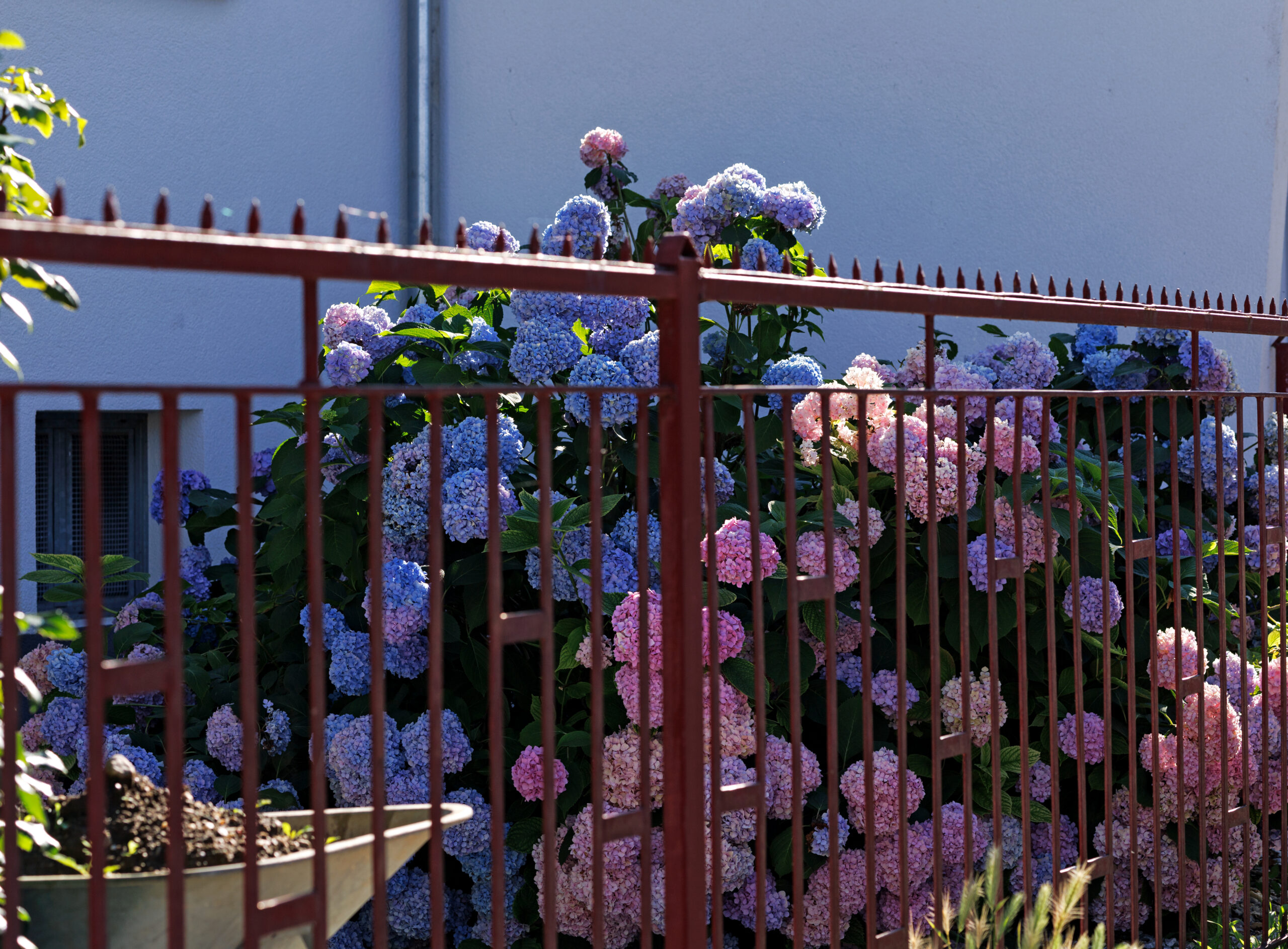
A well-designed fence can add personality to your home. It contributes to curb appeal, complements architectural features, and creates a cohesive outdoor environment. With the right materials, colours, and design choices, fencing can become a powerful design element that reflects individuality and creativity.
From modern minimalist designs to rustic wooden structures, fencing offers endless opportunities for customization. Whether you want a bold statement piece or a subtle enhancement, the right fence can transform the look and feel of your property.
The Role of Fencing in Home Aesthetics
Fences are often viewed primarily as functional structures used for privacy and security. While these functions are important, fences also play a major role in shaping the visual identity of a home.
The style of fencing you choose can influence how your property is perceived. A sleek metal fence can create a modern and sophisticated look, while a natural wood fence can evoke warmth and traditional charm. Even small design choices, such as colour and texture, can significantly impact overall aesthetics.
When thoughtfully designed, fencing can complement landscaping, highlight architectural details, and create a welcoming atmosphere for guests and passersby.
Choosing Materials That Reflect Your Style
One of the most important decisions when designing a fence is selecting the right material. Each material offers distinct visual and functional qualities that can help express personal style.
Wood Fencing
Wood is one of the most versatile fencing materials available. It can be stained, painted, carved, or left natural, depending on the desired look.
Wood fencing works well for homeowners who want a warm, organic, or rustic appearance. It can also be customized with different board arrangements, such as vertical slats, horizontal panels, or decorative lattice tops.
Because of its flexibility, wood is often a top choice for those looking to create a unique and personalized outdoor space.
Vinyl Fencing
Vinyl fencing is known for its clean appearance and low maintenance requirements. It is available in a variety of colours and styles, including options that mimic the look of painted wood.
This material is ideal for homeowners who prefer a polished and uniform aesthetic without the need for regular upkeep. Vinyl fencing can also be shaped into decorative patterns, offering subtle opportunities for customization.
Metal Fencing
Metal fences, such as aluminum or wrought iron, are often chosen for their durability and elegant appearance. These fences can range from simple modern designs to intricate ornamental patterns.
Metal fencing is particularly effective for adding sophistication and structure to a property. It also pairs well with both contemporary and traditional home designs.
Composite Fencing
Composite materials combine wood fibres and synthetic elements to create a durable and visually appealing fencing option.
Composite fencing offers the natural look of wood with improved resistance to weather and wear. It is available in a variety of finishes, making it suitable for homeowners who want both style and practicality.
Colour Choices That Transform Outdoor Spaces
Colour plays a powerful role in design, and fencing is no exception. The colour of your fence can dramatically influence the mood and character of your outdoor space.
Neutral tones such as white, beige, and gray create a clean and timeless appearance. Darker colours like black or deep brown can add contrast and sophistication. Meanwhile, natural wood tones bring warmth and authenticity.
Some homeowners choose bold or unexpected colours to make a statement. A painted fence in a vibrant hue can serve as a focal point and reflect a playful or artistic personality.
When selecting a colour, it is important to consider how the fence will complement the home’s exterior, landscaping, and surrounding environment.
Design Styles That Express Individuality
Fence design is where creativity truly comes to life. The structure, shape, and detailing of a fence can significantly influence its overall character.
Common design styles include:
- Horizontal slat fencing for a modern look
- Picket fencing for a classic and charming feel
- Lattice designs for decorative appeal
- Shadowbox fencing for balanced privacy and airflow
- Ornamental metalwork for elegance and detail
Each design style communicates a different visual message. Choosing the right one helps ensure that your fence aligns with your personal aesthetic preferences.
When exploring decorative fencing ideas, homeowners can mix and match design elements to create something truly unique.
Enhancing Curb Appeal with Thoughtful Details
Small design details can make a big difference in how a fence looks and feels. Decorative elements such as post caps, trim work, and patterned cutouts can elevate even the simplest fence design.
Lighting is another powerful addition. Installing lights along fence posts or integrating solar lighting can enhance visibility while adding ambiance during the evening hours.
Landscaping also plays a key role in enhancing fencing design. Climbing plants, shrubs, and flower beds can soften the appearance of a fence and create a more natural and inviting environment.
These thoughtful additions help ensure that fencing can add personality in ways that go beyond basic structure and function.
Balancing Privacy and Style
While aesthetics are important, many homeowners also prioritize privacy when selecting fencing. The challenge is finding a balance between visual appeal and functional coverage.
Solid panel fences provide maximum privacy but may feel enclosed if not designed carefully. Open or semi-open designs allow for visibility and airflow while still defining boundaries.
Creative combinations, such as partial lattice tops or alternating panel styles, can help achieve both privacy and visual interest.
By blending function with design, homeowners can create outdoor spaces that feel both secure and stylish.
Customization Options for a Unique Look
Customization is one of the most effective ways to ensure that a fence reflects personal style. From material selection to finishing touches, there are many ways to personalize fencing design.
Popular customization options include:
- Mixed material designs combining wood and metal
- Decorative cutouts or patterns
- Custom paint or stain finishes
- Unique gate designs
- Integrated lighting features
These options allow homeowners to create fences that stand out while still serving practical purposes.
With thoughtful planning, fencing can add personality that reflects individual taste and enhances the overall character of the home.
Matching Fencing to Architectural Style
A well-designed fence should complement the architecture of the home. A modern home may pair best with clean lines and minimal detailing, while a traditional home may benefit from more classic and detailed fencing styles.
For example:
- Modern homes often use horizontal slats or metal fencing
- Cottage-style homes pair well with picket or white-painted wood fences
- Mediterranean homes may feature stucco-style walls or decorative ironwork
- Farmhouse designs often incorporate natural wood textures
When fencing can add personality to a home, it works best when it aligns with architectural elements and reinforces the overall design theme.
Creating Outdoor Spaces That Feel Inviting
Fencing does more than define property boundaries. It helps shape how outdoor spaces are experienced. A thoughtfully designed fence can turn a backyard into a relaxing retreat, a play area for children, or an entertainment space for guests.
By incorporating design elements that reflect personal style, homeowners can create environments that feel welcoming and comfortable.
This is one of the most powerful ways fencing can influence both aesthetics and lifestyle. It allows outdoor areas to feel like natural extensions of the home rather than separate or unfinished spaces.
Using Fencing to Highlight Landscaping
Fencing can also serve as a backdrop for landscaping features. Gardens, trees, and decorative plants often look more defined and visually appealing when framed by a well-designed fence.
Strategic use of fencing can highlight focal points in the yard, guide the eye toward specific areas, and create a sense of structure within the landscape.
Climbing plants such as ivy or flowering vines can further enhance the visual impact of a fence. Over time, this combination of natural and structural elements creates a layered and dynamic outdoor environment.
Long-Term Value of Stylish Fencing
Investing in a well-designed fence offers both immediate and long-term benefits. In addition to improving curb appeal, it can increase property value and enhance overall satisfaction with the home.
Buyers often view attractive fencing as a desirable feature, especially when it complements the home’s design and provides functional benefits. When homeowners prioritize both style and quality, they ensure that their fence remains a valuable asset for years to come.
Fencing is far more than a functional boundary. It is a design element that plays a significant role in shaping the appearance and personality of a home. Through careful selection of materials, colours, designs, and customization options, homeowners can create outdoor spaces that reflect their individuality and enhance curb appeal.
Whether using wood, metal, vinyl, or composite materials, there are countless ways to design fencing that aligns with personal taste and architectural style. With thoughtful planning and attention to detail, fencing can add personality while also improving privacy, security, and overall functionality.
When homeowners take the time to design intentional and visually appealing fencing, they create outdoor environments that feel cohesive, welcoming, and uniquely their own.
TC Fencing believes that premium fences shouldn’t come with a hefty price tag. Our high-quality fencing solutions are designed to be both affordable and durable, ensuring you get the best value for your investment. Get a Free Quote and learn more about our fencing solutions and services.