
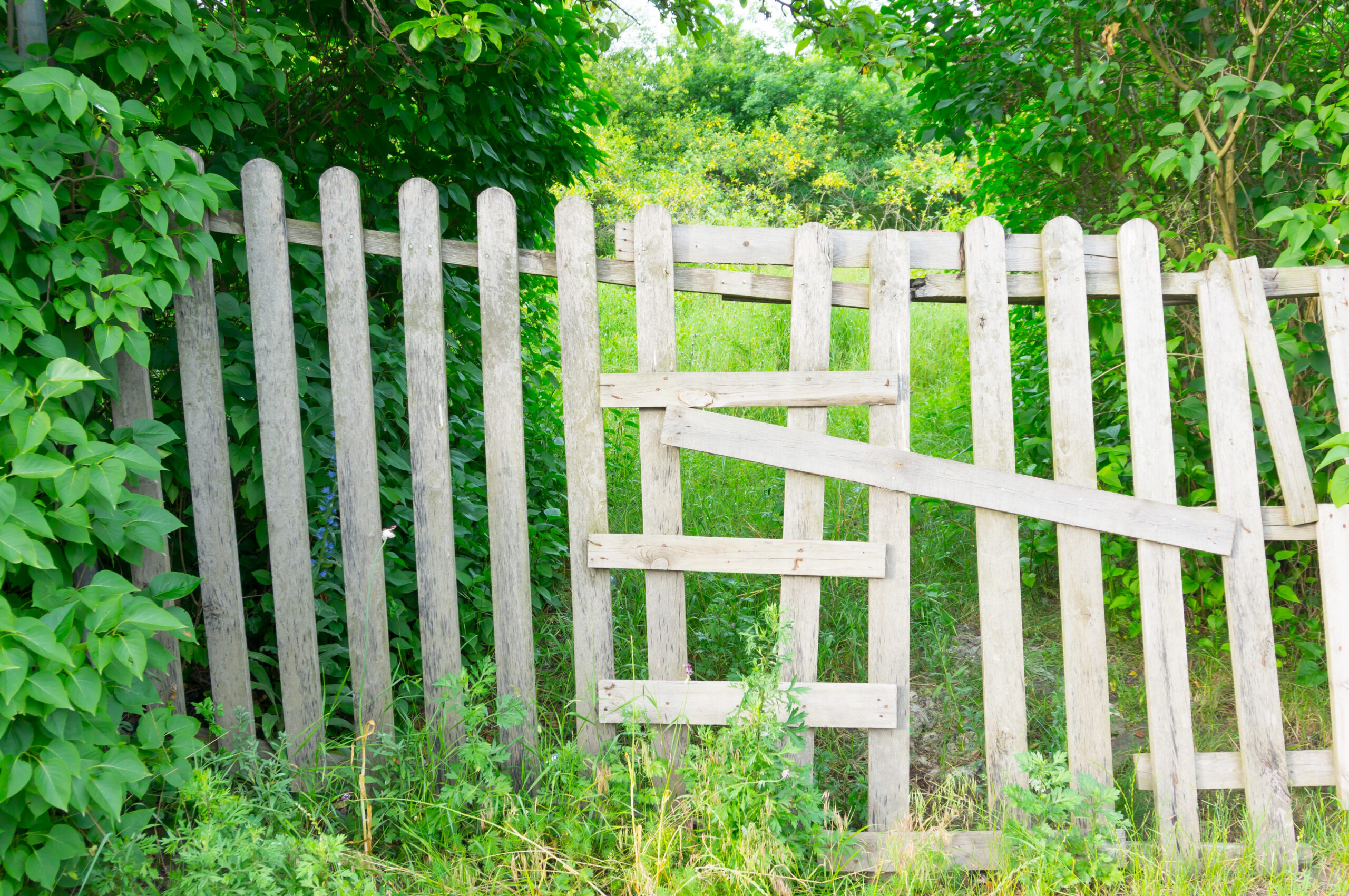
Many homeowners delay replacing their fence until it becomes a serious problem. Unfortunately, waiting too long can lead to higher repair costs, safety issues, and a property that looks neglected. Recognizing the warning signs early can help you make the right decision before the damage becomes extensive. If you have been wondering whether it is time to upgrade your old fence, several clear indicators can help guide your decision.
Visible Structural Damage
One of the most obvious signs that it may be time for a replacement is visible structural damage. Over time, wood, metal, and other fencing materials can develop cracks, breaks, or bent sections that weaken the entire structure.
Common examples of structural damage include:
- Broken fence boards
- Cracked or splintered wood
- Bent metal panels
- Missing sections of fencing
These issues often appear gradually but can worsen quickly if not addressed. A few damaged boards may seem minor, but widespread structural problems can compromise the strength of the entire fence.
When damage becomes noticeable in multiple areas, it may be more practical to upgrade your old fence rather than continue patching individual sections.
Leaning or Unstable Fence Posts
Fence posts are the foundation that supports the entire structure. If posts begin to lean, shift, or loosen in the ground, the rest of the fence will eventually follow.
Leaning fences are often caused by:
- Soil erosion
- Rotting wooden posts
- Poor initial installation
- Strong winds or storms
A slightly tilted section may be repairable, but widespread instability suggests deeper structural issues.
When multiple posts are no longer secure, replacing the entire system may be the safest and most cost-effective solution.
Frequent and Costly Repairs
Every fence requires occasional maintenance. However, there comes a point when constant repairs become more expensive than replacing the structure altogether.
If you regularly find yourself fixing boards, tightening fasteners, or replacing damaged sections, it may indicate that the fence is reaching the end of its lifespan.
Homeowners sometimes overlook how much they spend on repeated repairs over several years. When those costs begin to add up, it may be a strong signal to upgrade your old fence instead of continuing temporary fixes.
A new fence often provides better durability and requires far less maintenance.
Rotting or Decaying Wood
Wood fences are especially vulnerable to moisture damage. Over time, exposure to rain, humidity, and soil contact can cause wood to rot or decay.
Signs of wood rot include:
- Soft or crumbling boards
- Dark discoloration
- Mould or mildew growth
- Hollow areas within the wood
Rot spreads quickly once it begins, especially in damp climates. Even if the damage appears limited to a few boards, the underlying structure may already be weakening.
When rot becomes widespread, replacing the fence is often the best long-term solution.
Rust and Corrosion on Metal Fences
Metal fences are known for their strength, but they can still deteriorate over time due to rust and corrosion. Moisture, salt exposure, and environmental pollutants can gradually break down protective coatings.
Early signs of corrosion include small rust spots or peeling paint. If these areas are not treated, the rust can spread and weaken the metal.
Severe rust damage may cause metal sections to become brittle or develop holes. At that stage, repairs may no longer be practical.
Recognizing these issues can help determine when to replace a fence before structural integrity is compromised.
Reduced Privacy
Privacy is one of the main reasons many homeowners install fences. Over time, aging materials and structural wear can create gaps or openings that reduce privacy.
Examples of privacy loss include:
- Warped boards that create gaps
- Missing panels
- Fence sections that have shifted apart
When a fence no longer provides the privacy it once did, it may no longer serve its intended purpose.
Upgrading to a newer design can restore privacy while also improving the overall appearance of your property.
Outdated Design or Appearance
Even if a fence remains structurally stable, its appearance may begin to look outdated compared to modern design trends.
Older fences may feature styles, colours, or materials that no longer match the aesthetic of your home or neighbourhood.
An outdated fence can make an otherwise attractive property appear neglected or less appealing. For homeowners planning to sell their property, curb appeal can significantly influence buyer interest.
Choosing to upgrade your old fence can refresh the appearance of your outdoor space and make the property look more modern and well-maintained.
Storm Damage and Weather Wear
Severe weather can accelerate fence deterioration. High winds, heavy rain, and falling branches often cause significant damage.
After strong storms, you may notice:
- Detached fence panels
- Broken boards
- Bent metal sections
- Leaning or uprooted posts
While small areas of storm damage can be repaired, widespread damage may require a full replacement.
Repeated exposure to harsh weather conditions can gradually weaken even durable materials.
Difficulty Opening or Closing Gates
Fence gates experience more movement and stress than other sections of the structure. Over time, hinges, latches, and frames may wear down or shift out of alignment.
Signs of gate problems include:
- Gates that drag on the ground
- Difficulty opening or closing
- Loose or damaged hinges
- Gates that no longer latch securely
While minor adjustments can solve some issues, persistent gate problems may indicate that the fence structure itself is shifting.
Addressing these concerns early can prevent more serious structural problems.
Aging Materials
Every fencing material has an expected lifespan. Wood fences may last around 15 to 20 years, depending on maintenance, while metal or vinyl fences often last longer.
If your fence is approaching or exceeding its typical lifespan, deterioration is likely already occurring.
Many homeowners wonder how to know if your fence is too old to remain reliable. Age alone does not always require replacement, but when aging materials combine with other warning signs, replacement becomes more likely.
Understanding when to replace a fence can help homeowners avoid unexpected failures and maintain a secure property.
Decreased Property Value and Curb Appeal
A worn or damaged fence can negatively affect the overall appearance of a property. Cracked boards, peeling paint, and leaning sections make the outdoor space look neglected.
For homeowners considering selling their property, curb appeal is especially important. A modern, well-maintained fence can improve first impressions and potentially increase property value.
Investing in a new fence often enhances both functionality and visual appeal.
Benefits of Installing a New Fence
Replacing an aging fence provides several advantages beyond simply fixing structural issues.
A new fence can offer:
- Improved security and strength
- Modern design options
- Better privacy features
- Increased durability with updated materials
- Enhanced curb appeal
New fencing materials are often designed to resist weather damage, require less maintenance, and last longer than older products.
For many homeowners, choosing to upgrade their old fence becomes an opportunity to improve both safety and style.
Making the Right Decision
Deciding whether to repair or replace a fence depends on several factors, including the extent of damage, the age of the materials, and long-term maintenance costs. Minor problems can often be repaired, but widespread damage or repeated repairs usually indicate that replacement is the better investment. Carefully evaluating the condition of your fence can help you determine the most practical solution for your property.
Fences play an important role in protecting property, providing privacy, and enhancing the appearance of outdoor spaces. Over time, however, even the most durable fences begin to show signs of wear.
Structural damage, aging materials, frequent repairs, and reduced privacy are all strong indicators that it may be time to upgrade your old fence. Recognizing these warning signs early allows homeowners to plan improvements before problems become more severe. By replacing an outdated or damaged fence with a modern solution, you can improve security, restore privacy, and enhance the overall value of your property for years to come.
TC Fencing believes that premium fences shouldn’t come with a hefty price tag. Our high-quality fencing solutions are designed to be both affordable and durable, ensuring you get the best value for your investment. Get a Free Quote and learn more about our fencing solutions and services.