
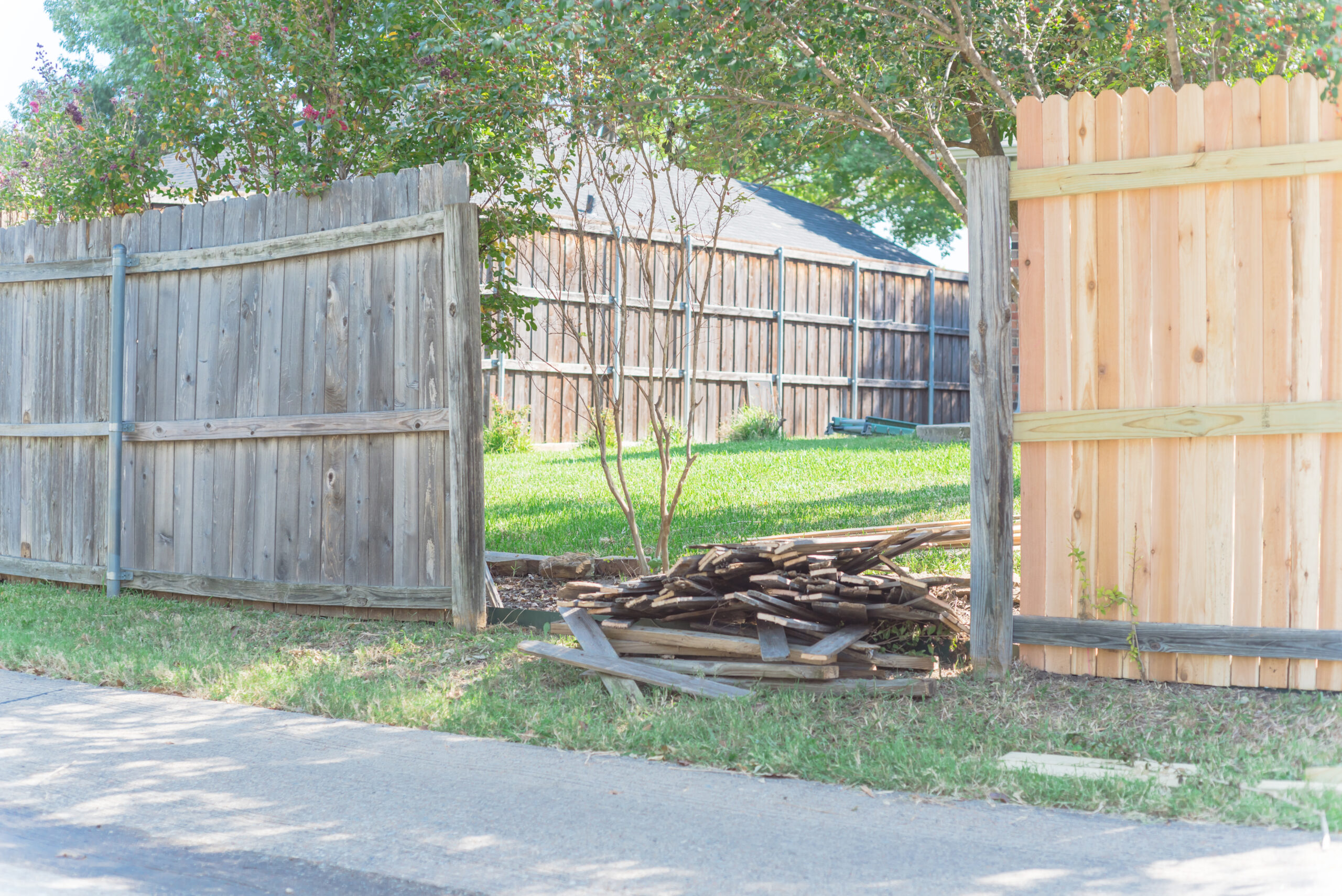
Fall is a time when powerful storms can take a serious toll on your property. Wind, heavy rain, fallen branches, flooding, and shifting temperatures all contribute to wear and tear, especially on outdoor structures like fences. If you’re a homeowner or property manager, recognizing the signs of fence damage from fall storms and knowing how to fix it is crucial.
This article will guide you through the types of fence damage caused by fall storms, how to identify them early, repair solutions, and ways to prevent further damage. You’ll also learn fence maintenance tips for stormy weather that will help you safeguard your fence year after year.
Why Fall Storms Are Tough on Fences
While summer may bring sudden thunderstorms, fall weather is often marked by strong wind gusts, extended rain, and even early snowfall. These conditions can wreak havoc on fences of all materials. Prolonged exposure to moisture and pressure from wind or debris weakens the structural integrity of fencing materials like wood, vinyl, and even metal.
Some of the most common fall storm elements that cause damage include:
- Heavy Rain: Saturated soil can loosen fence posts, causing leaning or collapse.
- High Winds: Can snap boards, dislodge panels, or send tree limbs crashing into fences.
- Flooding: Prolonged water exposure can lead to wood rot, warping, and corrosion in metal fences.
- Debris Impact: Flying branches or outdoor furniture can crack or break fence components.
- Sudden Temperature Drops: Moisture trapped in cracks may freeze, expand, and worsen structural damage.
Understanding these threats can help you better prepare for what’s ahead.
Common Signs of Fence Damage from Fall Storms
To maintain the integrity of your fence, it’s important to regularly inspect it after every major storm. Some damage is obvious, while other signs may be more subtle but still serious over time.
Here are key signs to watch for:
1. Leaning or Shifting Posts
Fence posts are the backbone of your fence. If they begin to lean, especially after a rainstorm, this could indicate that the soil has become oversaturated or the post footing has weakened. Over time, this can lead to full fence collapse.
2. Broken or Missing Panels
Strong winds and flying debris can crack or completely dislodge fence boards and panels. Missing sections not only reduce privacy and security but also compromise the entire fence structure.
3. Water Damage and Rot
Wooden fences are particularly vulnerable to moisture. Warped boards, discoloration, mould, or a musty smell are all signs of water damage. Rot is a progressive issue that will continue to spread if not addressed quickly.
4. Rust and Corrosion
Metal fences and components such as nails, screws, and brackets can begin to rust after repeated exposure to rain and humidity. Rust weakens structural integrity and can cause breakage at connection points.
5. Loose or Damaged Fasteners
After a storm, always check for nails, screws, and bolts that may have come loose. These components are critical to holding the structure together and are often the first to show stress damage.
Immediate Steps to Take After a Fall Storm
Once a storm has passed, a quick but careful assessment of your fence can prevent minor issues from turning into major problems.
1. Walk the Perimeter
Examine your entire fence line. Note any obvious damage such as downed panels, sagging sections, or detached posts.
2. Look for Tree Damage
If you have trees near your fence, check for fallen limbs or branches that may have impacted the fence. Even if the fence seems intact, look closely for cracks or warping.
3. Check the Ground
Soggy or washed-out soil around your fence posts is a red flag. This can quickly lead to instability, especially if another storm is on the horizon.
4. Photograph the Damage
If the damage is severe enough to require professional repairs or is covered by homeowner’s insurance, document the condition of the fence with clear photos.
How to Fix Common Fence Damage
Depending on the type and extent of the damage, some repairs can be done on your own while others may require professional help. Below are common fence issues and how to fix them.
Repairing Leaning Posts
Leaning posts usually indicate that the post base has loosened. To fix it:
- Dig around the post to expose the concrete footing.
- Remove the old footing if it’s damaged.
- Reposition the post and pour new concrete.
- Ensure the post is level and braced while the concrete sets.
Replacing Broken or Missing Panels
For wooden fences:
- Remove the broken or splintered panel.
- Measure and cut a new panel to fit.
- Secure it using weather-resistant nails or screws.
For vinyl or composite fences:
- Detach the damaged panel using the manufacturer’s recommended method.
- Install a replacement panel, ensuring it locks or fits correctly.
Treating Water Damage and Rot
If rot is limited to a small area:
- Cut away the rotted section and replace it.
- Sand down the area and apply a wood preservative.
- Stain or seal the replacement to match the rest of the fence.
If rot is widespread, it may be more cost-effective to replace the affected section or even the entire fence.
Addressing Rust
For metal fences:
- Use a wire brush to remove loose rust.
- Apply a rust converter or primer.
- Repaint with a weather-resistant metal paint.
Replace rusted fasteners with stainless steel or galvanized versions to prevent future corrosion.
Prevention: Avoiding Future Storm Damage
Fixing existing problems is important, but preventing new ones is just as critical. Here are some fence maintenance tips for stormy weather that every homeowner should follow.
1. Keep Trees Trimmed
Regularly prune tree branches that hang over or near your fence. This reduces the risk of falling limbs during storms.
2. Improve Drainage
Water pooling around your fence can lead to rot and soil erosion. Grade your landscape to direct water away from the fence and consider adding gravel or French drains if necessary.
3. Seal Wooden Fences
Applying a weatherproof stain or sealant annually can protect wood from absorbing moisture. This is especially useful when learning how to protect the fence from rainy weather in storm-prone regions.
4. Reinforce Posts
Use concrete footings and metal post anchors to increase stability. For fences in high-wind areas, consider additional bracing.
5. Regular Inspections
Don’t wait for a storm to reveal issues. Walk your fence line every season to check for signs of wear or instability.
When to Call in a Professional
While many small fence repairs are DIY-friendly, some situations are best left to experts:
- Extensive rot or rust
- Multiple leaning or broken posts
- Fence sections damaged by falling trees or large debris
- Insurance-related damage assessments
A professional fence contractor can quickly assess the problem, suggest solutions, and carry out repairs to a high standard. They also have access to specialized tools and materials that may not be available to the average homeowner.
Long-Term Strategies for Durable Fencing
In regions that face frequent storms, investing in durable fencing materials and smart design choices can go a long way.
Consider Storm-Resistant Fence Types
- Vinyl: Resistant to moisture and insects, though high winds can sometimes dislodge panels.
- Metal: Strong but vulnerable to rust. Powder-coated options offer better durability.
- Composite: Offers strength and low maintenance, though often at a higher price point.
- Pressure-Treated Wood: More resistant to rot and pests than untreated wood.
Fence Height and Layout
Lower fences often fare better in windstorms. A wind-resistant design, like one with spaced pickets or slatted panels, allows wind to pass through more easily, reducing pressure and the risk of collapse.
Seasonal Maintenance Checklist
To stay on top of your fence’s condition, follow this seasonal checklist:
Fall Storm Prep:
- Trim nearby trees and bushes
- Inspect for loose boards or fasteners
- Apply sealant if needed
- Check drainage and soil levels
After Storms:
- Walk the perimeter
- Check for visible damage
- Remove debris
- Schedule repairs immediately
Ongoing Maintenance:
- Reapply sealants or paint annually
- Replace rusted fasteners
- Inspect footings and posts
- Review the condition before and after each storm season
Following these fence maintenance tips for stormy weather ensures that your fence remains strong, safe, and attractive year-round.
Bracing Against the Storm
Fence damage from fall storms is more common than many homeowners realize. The combination of heavy rain, wind, flooding, and debris can take a serious toll on your fence if you’re not prepared. By recognizing the early signs of damage, taking swift action to repair issues, and implementing preventive strategies, you can keep your fence in great condition no matter how rough the weather gets.
Whether you’re dealing with leaning posts, water damage, or rust, a little maintenance goes a long way. Equip yourself with the knowledge to identify problems early and act fast, and you’ll not only extend the lifespan of your fence but also improve the safety and value of your property.
TC Fencing believes that premium fences shouldn’t come with a hefty price tag. Our high-quality fencing solutions are designed to be both affordable and durable, ensuring you get the best value for your investment. Get a Free Quote and learn more about our fencing solutions and services.