
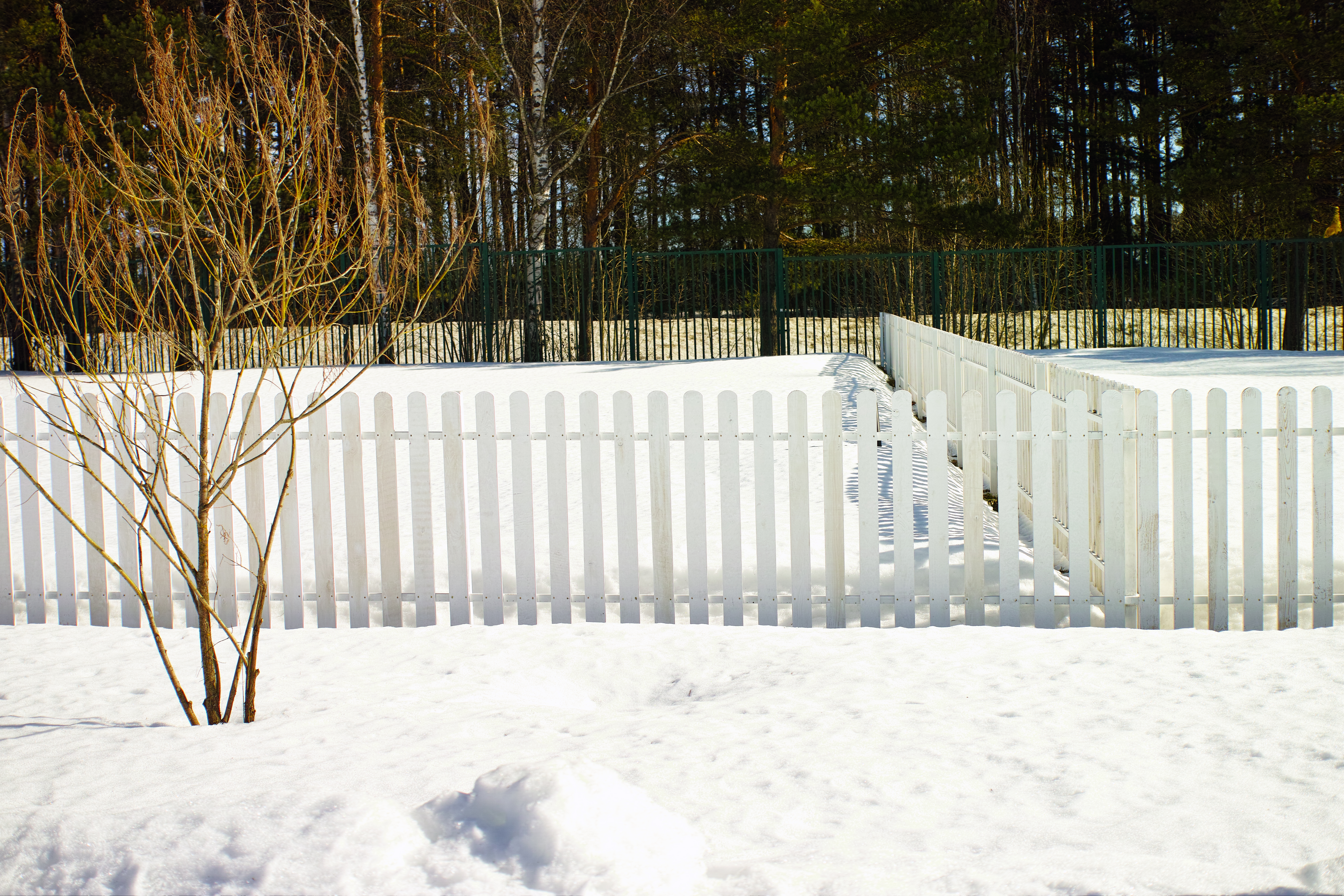
As summer winds down and the crisp air of autumn rolls in, it’s time for homeowners and property owners to shift focus toward winterizing their outdoor spaces. One often-overlooked structure that needs proper attention is the fence. In this guide, we’ll walk you through how to prepare your fence for fall and winter to help it endure the season with strength and stability. You’ll learn about seasonal inspection, maintenance tips, cleaning techniques, and preventive strategies tailored to different fence materials.
Why Seasonal Fence Maintenance Matters
Just like you prepare your home’s HVAC system, roof, and plumbing for seasonal changes, your fence needs its own fall and winter readiness plan. Proper maintenance not only extends the life of your fence but also keeps your property safe and attractive.
Neglecting your fence through the colder months can result in:
- Warped or cracked wood from moisture and freezing
- Rusted metal components
- Loose posts from shifting soil and frost
- Mould, mildew, and rot
- Broken boards from snow pressure or fallen branches
A little proactive care now can save you time, money, and headaches later. Let’s dive into how to get your fence ready for the cold season.
Step 1: Inspect Your Fence Thoroughly
The first step in seasonal fence preparation is a comprehensive inspection. Walk the entire length of your fence and check for:
- Loose or rotting boards: Wood weakens over time, especially when exposed to moisture.
- Cracked or leaning posts: Indicates structural weakness, often due to shifting soil or age.
- Rust or corrosion on metal parts and fasteners
- Gaps or holes: Especially at the bottom, where animals or water can get through.
- Mould, mildew, or algae buildup
Take note of any problems that need immediate attention. These issues will only worsen under the pressure of fall storms or heavy snowfall.
Step 2: Clean Your Fence
Before you can make repairs or apply treatments, your fence must be clean. Dirt, mildew, moss, and algae thrive in damp conditions, so removing them now is essential.
Here’s how to clean different fence types:
For Wooden Fences:
- Use a stiff brush or power washer on a low setting to remove grime.
- Mix a solution of water and mild detergent (or white vinegar) for deep cleaning.
- Rinse thoroughly and let dry completely.
For Vinyl Fences:
- Wipe down with a mix of soap and water or a vinyl-safe cleaner.
- Use a soft cloth or sponge to avoid scratches.
For Metal Fences:
- Scrub off rust with a wire brush.
- Wash with water and a rust-inhibiting cleaner.
- Dry completely to prevent further corrosion.
Cleaning is not only about aesthetics. It helps expose hidden damage and prepares the surface for sealing or painting.
Step 3: Make Necessary Repairs
Now that your fence is clean and dry, it’s time to fix any damage. This is one of the most critical steps when you prepare your fence for fall and winter.
Wood Fence Repairs:
- Replace any broken or splintered boards.
- Tighten or replace loose nails and screws.
- Straighten leaning posts by resetting them in concrete if necessary.
Metal Fence Repairs:
- Remove rust and repaint with a rust-resistant metal primer and outdoor paint.
- Weld or replace bent or broken sections.
Vinyl Fence Repairs:
- Replace cracked panels.
- Fix or replace any loose post caps.
Don’t put off repairs. Small issues can turn into major problems once ice and snow come into play.
Step 4: Apply a Protective Sealant or Coating
Fall is the ideal time to apply protective coatings before winter moisture sets in. Depending on your fence type, there are different products to use:
For Wood:
- Apply a weatherproof sealant or stain with UV and moisture protection.
- Use a brush, roller, or sprayer for even coverage.
- Allow at least 24–48 hours to cure before rain or snow.
For Metal:
- After cleaning and rust removal, apply a rust-resistant primer followed by outdoor metal paint or a specialized protective coating.
For Vinyl:
- Vinyl generally doesn’t require sealing, but applying a UV protectant spray can help maintain its colour and durability.
These treatments create a barrier that shields your fence from water, ice, and UV damage, which are essential when learning how to protect the fence from cold weather.
Step 5: Reinforce the Fence for Wind and Snow
Autumn brings gusty winds and the early stages of frost. By winter, heavy snowfall and ice accumulation can add significant weight to your fence. Preparation now can prevent major damage.
Here’s how to reinforce your fence:
- Add support brackets to gates and high-traffic sections.
- Install diagonal bracing on long runs to reduce sway.
- Trim overhanging tree limbs to prevent snow-laden branches from falling on your fence.
- For wood fences, ensure the posts are securely set in concrete below the frost line to prevent heaving.
You’ll be glad you took these steps when the first winter storm hits.
Step 6: Manage Drainage and Soil Conditions
Water pooling around the base of your fence can cause rot, frost heave, or erosion. Good drainage is crucial, especially when thinking about how to protect the fence from rainy weather and snowmelt in the spring.
- Grade the soil away from the fence to direct water flow.
- Install gravel or French drains where water tends to accumulate.
- Clear leaves and debris from the fence line to prevent water buildup and pest activity.
Addressing drainage now will save your fence from long-term moisture damage.
Step 7: Maintain Throughout the Season
Fence preparation isn’t a one-and-done job. While the bulk of the work happens in early fall, regular checks throughout the season are important.
Here’s a quick maintenance checklist:
- After each storm, inspect for damage or leaning sections.
- Clear snow from the base of the fence, especially if it starts to pile up.
- Remove ice carefully. Never bang or scrape it off, as this can cause breakage.
- Reapply sealants or touch up paint if damage occurs during the season.
These steps go a long way in ensuring your fence remains safe and sturdy through the toughest months.
Additional Tips Based on Fence Material
Let’s break down a few extra strategies depending on what kind of fence you have:
Wood Fences:
- Most vulnerable to moisture and freezing temperatures.
- Staining every 2–3 years can extend its life dramatically.
- Cedar and redwood are naturally more resistant to rot. Consider replacing damaged pine with these if you’re doing partial repairs.
Vinyl Fences:
- Low maintenance, but they can become brittle in extreme cold.
- Avoid hitting or leaning heavy snow equipment against vinyl panels.
- Inspect joints and fasteners to ensure flexibility isn’t compromised.
Metal Fences:
- Susceptible to rust if paint or coatings are damaged.
- Welded joints should be inspected for cracks or splits before winter.
Knowing how to protect the fence from cold weather, specific to your material type, can make your maintenance more effective.
When to Call in the Pros
If your inspection reveals major structural damage, serious leaning, or deep-set rot, it might be time to consult a professional fence contractor. They can:
- Assess the integrity of your fence posts and foundation
- Suggest more durable materials or reinforcements
- Provide high-quality sealing and staining services
- Handle large-scale repairs efficiently before the weather worsens
Investing in expert help before the season changes can save you from costly emergency repairs later.
Protect Your Property Investment
As a homeowner or property manager, your fence is a first line of defense: providing security, privacy, and curb appeal. Ignoring it in the fall can have expensive consequences by spring.
By following the steps outlined here, you’ll know how to prepare your fence for fall and winter in a way that prolongs its lifespan and keeps your property looking great year-round. Start with a thorough inspection, make essential repairs, clean and seal appropriately, and perform routine maintenance throughout the season.
TC Fencing believes that premium fences shouldn’t come with a hefty price tag. Our high-quality fencing solutions are designed to be both affordable and durable, ensuring you get the best value for your investment. Get a Free Quote and learn more about our fencing solutions and services.